
General & laparoscopic Surgery
General & laparoscopic Surgeon in Bhairahawa / Butwal (Rupandehi)
Welcome to the official website of Dr. Hari Sharma who has an experience of working at Mahakali Provincial Hospital, Nepal Police Hospital, Lumbini Provincial Hospital and BP Koirala Institute of Health Sciences Dharan. He is a renowned single port Laparoscopic Surgeon dedicated to providing advanced surgical services. With a decade of experience in medical field, Dr. Sharma offers a wide range of general and laparoscopic procedures that are unique for this province.
With specialization in laparoscopic surgery, he is able to perform minimally invasive procedures like single port laparoscopic cholecystectomy, laparoscopic appendectomy and laparoscopic hernia repairs.
MBBS,MS(B.P.K.I.H.S. Dharan)
Here is a list of some of the services We Offer
Single Port Laparoscopic Cholecystectomy
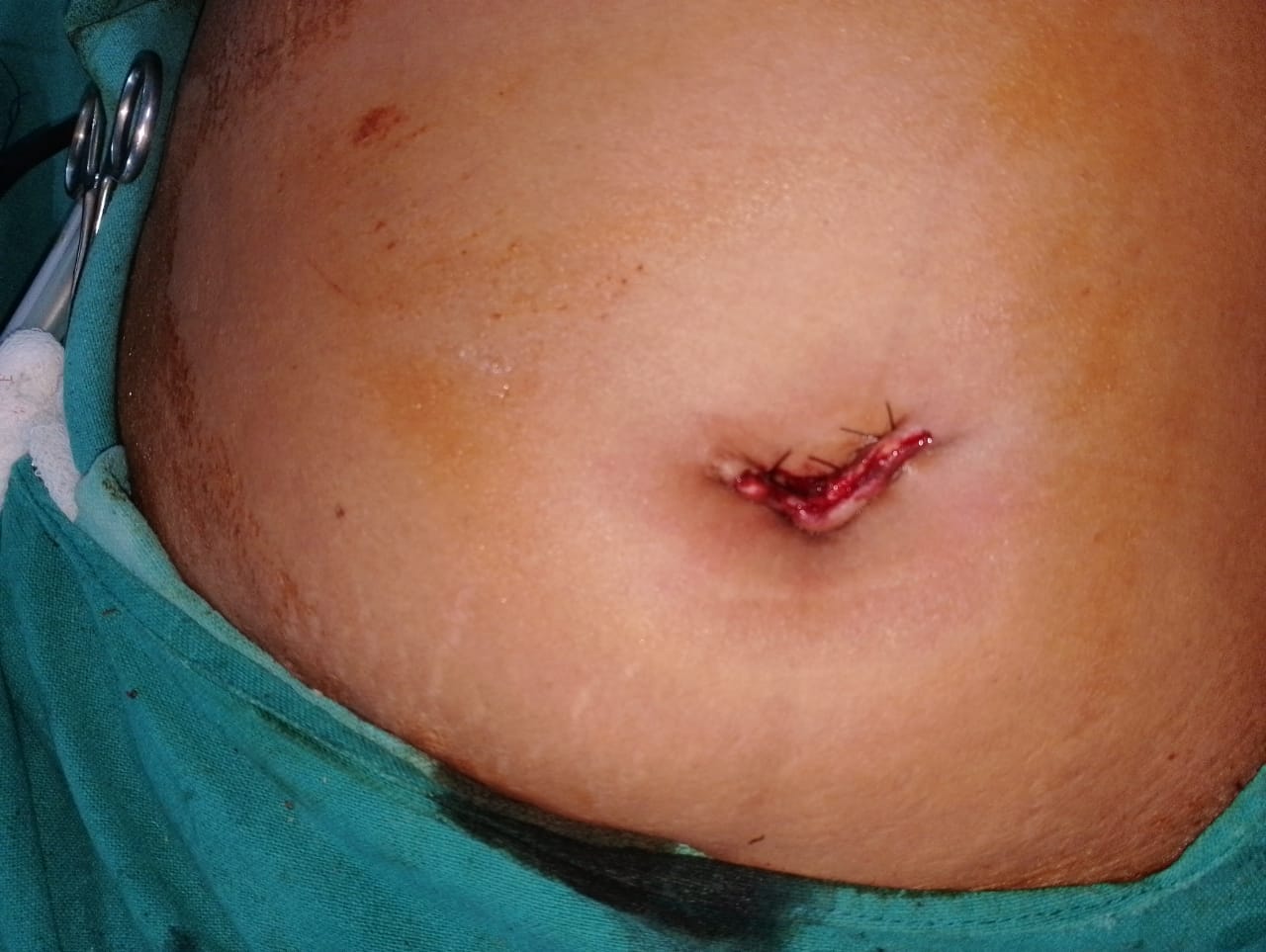
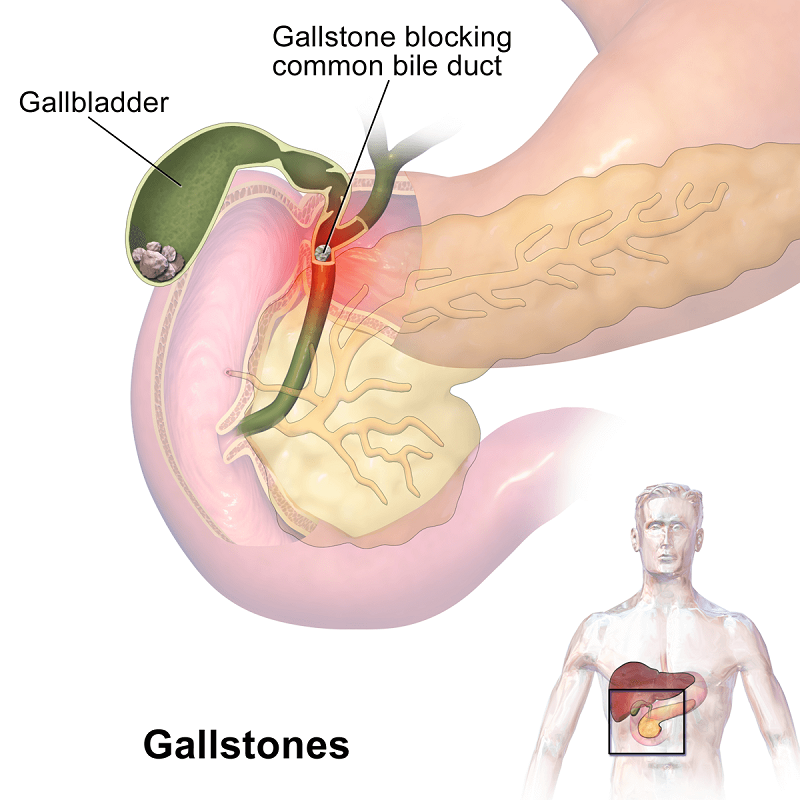
Single Port Laparoscopic Cholecystectomy (SPLC) is a minimally invasive surgical technique for removing the gallbladder (cholecystectomy) through a single small incision, typically made in the umbilicus (belly button).
Read More
NOTES Appendectomy
NOTES Appendectomy
Natural Orifice Transluminal Endoscopic (NOTES) Appendectomy is an emerging technique for appendectomy.
Datas suggest shortened recovery intervals and improved quality of life.
Read More
Laparoscopic Appendectomy
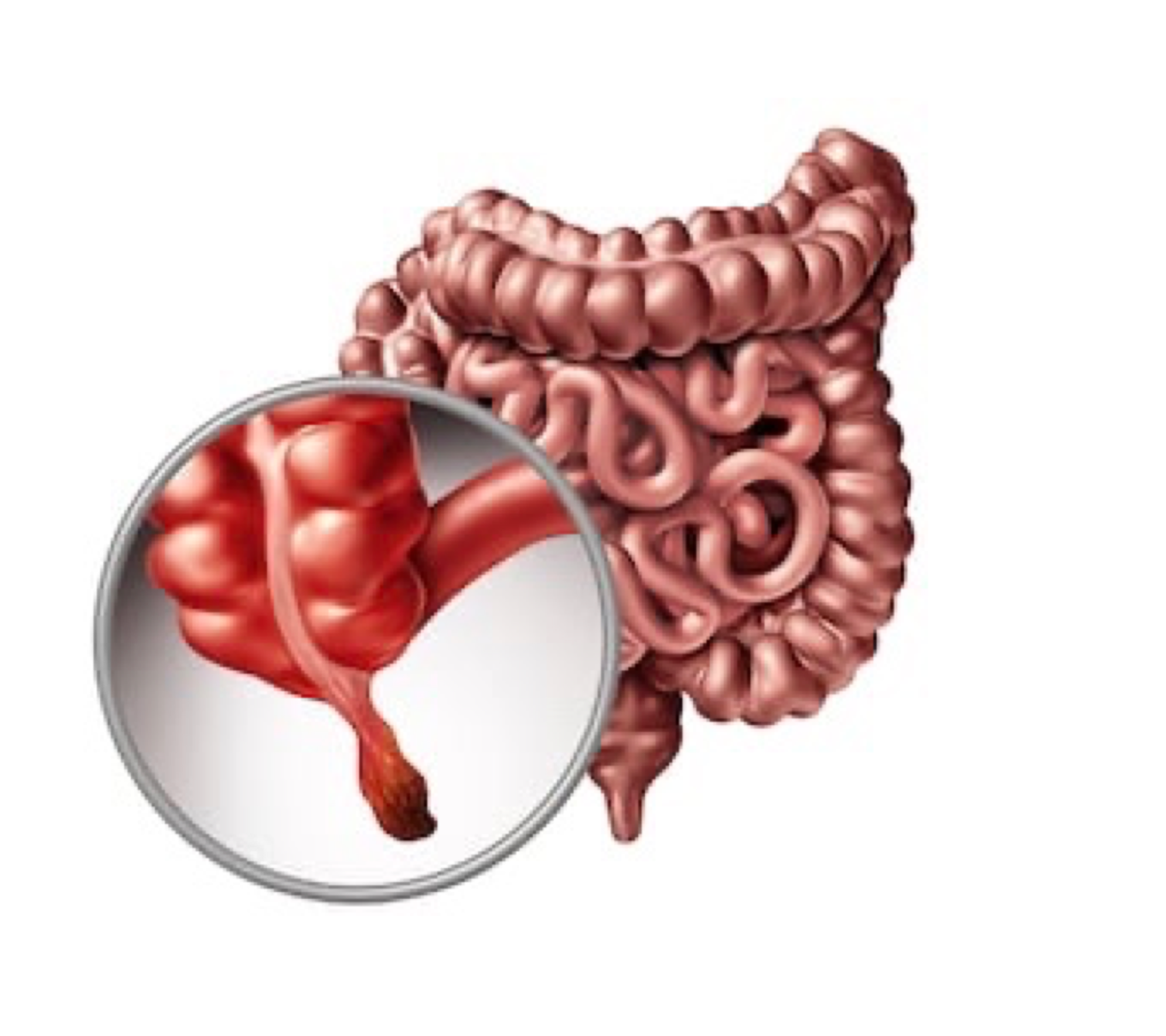
is a minimally invasive surgical procedure to remove the appendix in cases of appendicitis (inflammation of the appendix). Its advantages include shorter hospital stay, lesser chances of infection and less postoperative pain.
Read More
Common Bile Duct Stone
Bile duct stones usually present with gallstones. They pose a serious threat of cholangitis, a potential life threatening condition. CBD stones not amenable to ERCP can be managed with open as well as laparoscopic approaches.
Read More
Laser Proctology
Laser Proctology
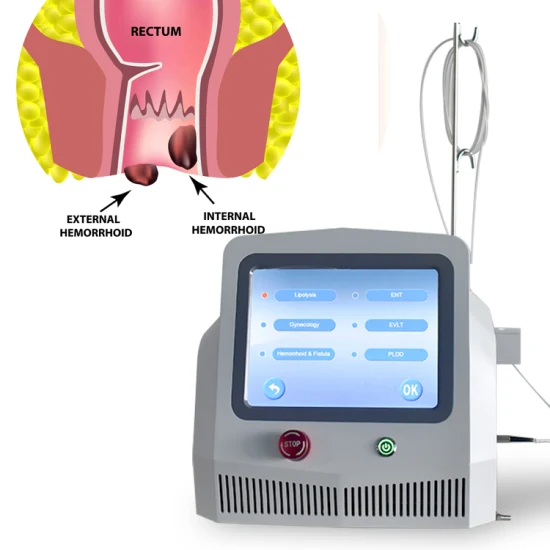
is a medical treatment that uses laser technology to treat various anorectal conditions. This minimally invasive procedure is often preferred over traditional surgical methods due to its precision, less discomfort, and faster recovery times.
Read More
Stapler Circumcision
is a modern, minimally invasive surgical technique used to perform circumcision, which involves the removal of the foreskin from the male penis. Unlike traditional circumcision, which is done using a scalpel or scissors
Read More
Common Bile Duct Stone
Bile duct stones usually present with gallstones. They pose a serious threat of cholangitis, a potential life threatening condition. CBD stones not amenable to ERCP can be managed with open as well as laparoscopic approaches.
Read MoreLaparoscopic Gynaecological Surgeries
Laparoscopic Gynaecological Surgeries
Various gynaecological conditions like ovarian cyst and uterine conditions requiring surgery can undergo laparoscopic excision of ovarian cyst and laparoscopic hysterectomy.
Read More
Stapler Circumcision
is a modern, minimally invasive surgical technique used to perform circumcision, which involves the removal of the foreskin from the male penis. Unlike traditional circumcision, which is done using a scalpel or scissors
Read More
Percutaneous Nephrolithotomy (PCNL )
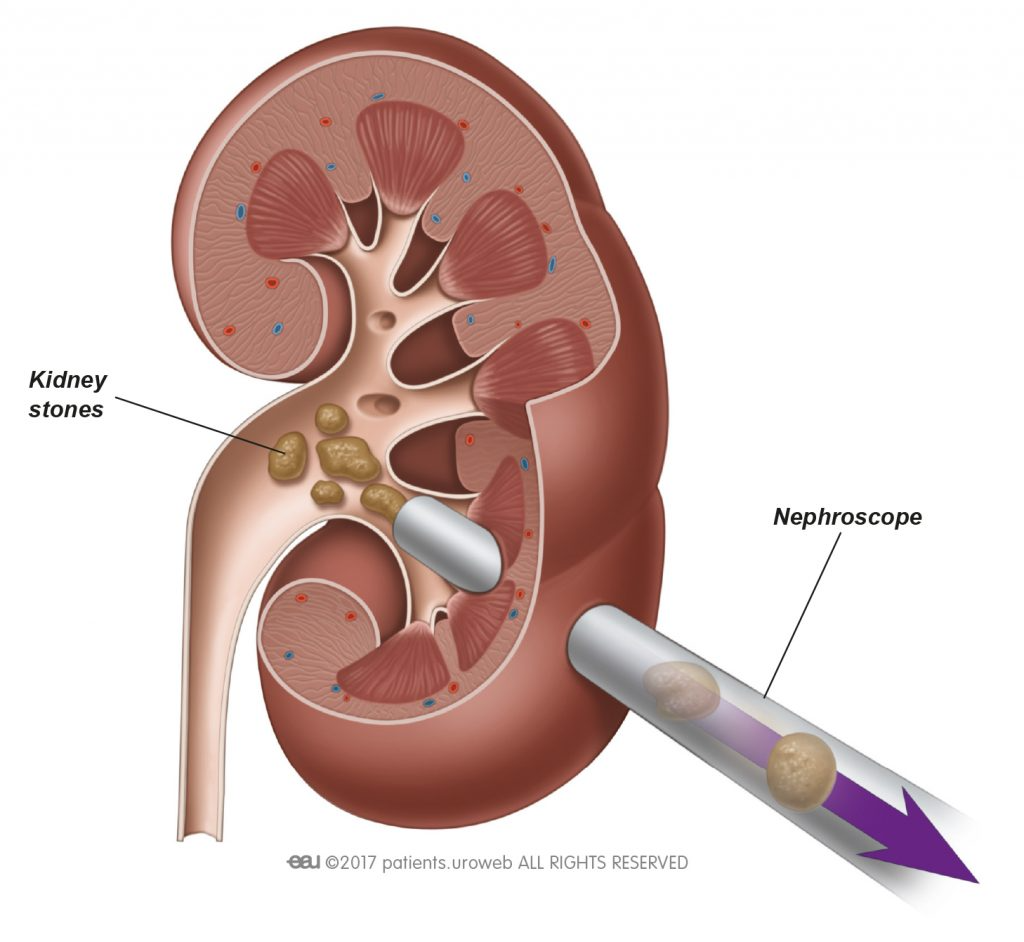
is a minimally invasive surgical procedure used to remove large kidney stones that cannot be treated effectively with other methods, such as shockwave lithotripsy (SWL) or ureteroscopy. It involves accessing the kidney through a small incision in the back to remove stones. Here's an overview of PCNL:
Read More
Ureteroscopic Lithotripsy (URSL)
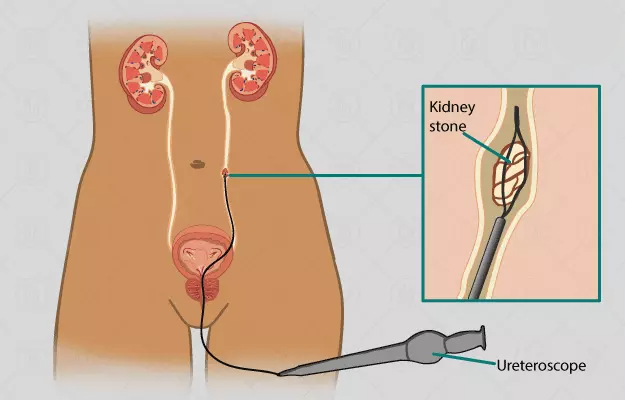
is a minimally invasive procedure used to treat kidney stones or ureteral stones that are too large to pass on their own. It involves the use of a ureteroscope, a thin, flexible tube with a light and camera, which is inserted through the urethra and bladder to reach the ureter (the tube connecting the kidney to the bladder)
Read More
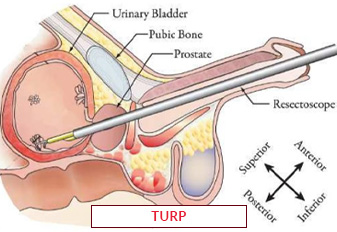
Transurethral Resection of the Prostate (TURP
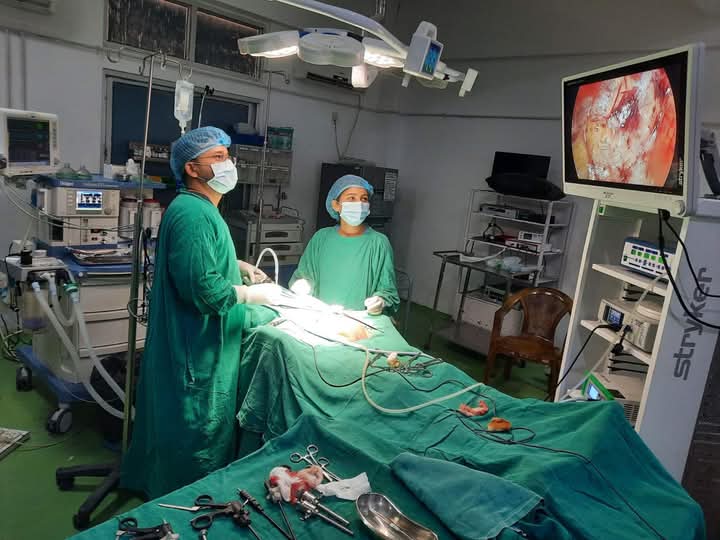
is a common surgical procedure used to treat benign prostatic hyperplasia (BPH), a condition in which the prostate gland enlarges and causes urinary symptoms. TURP is typically recommended when BPH symptoms are severe and cannot be managed effectively with medications or other non-invasive treatments.
Read More
Laparoscopic Hernia Repair
Laparoscopic Hernia Surgery
Single Port Laparoscopic Cholecystectomy (SPLC) is a minimally invasive surgical technique for removing the gallbladder (cholecystectomy) through a single small incision, typically made in the umbilicus (belly button).
Read More
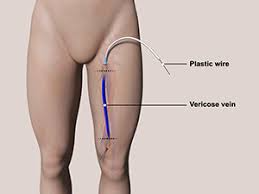
Stripping of varicose veins
Stripping of Varicose Veins is a surgical procedure used to remove or tie off varicose veins—large, swollen veins that are often visible just beneath the surface of the skin.
Read More
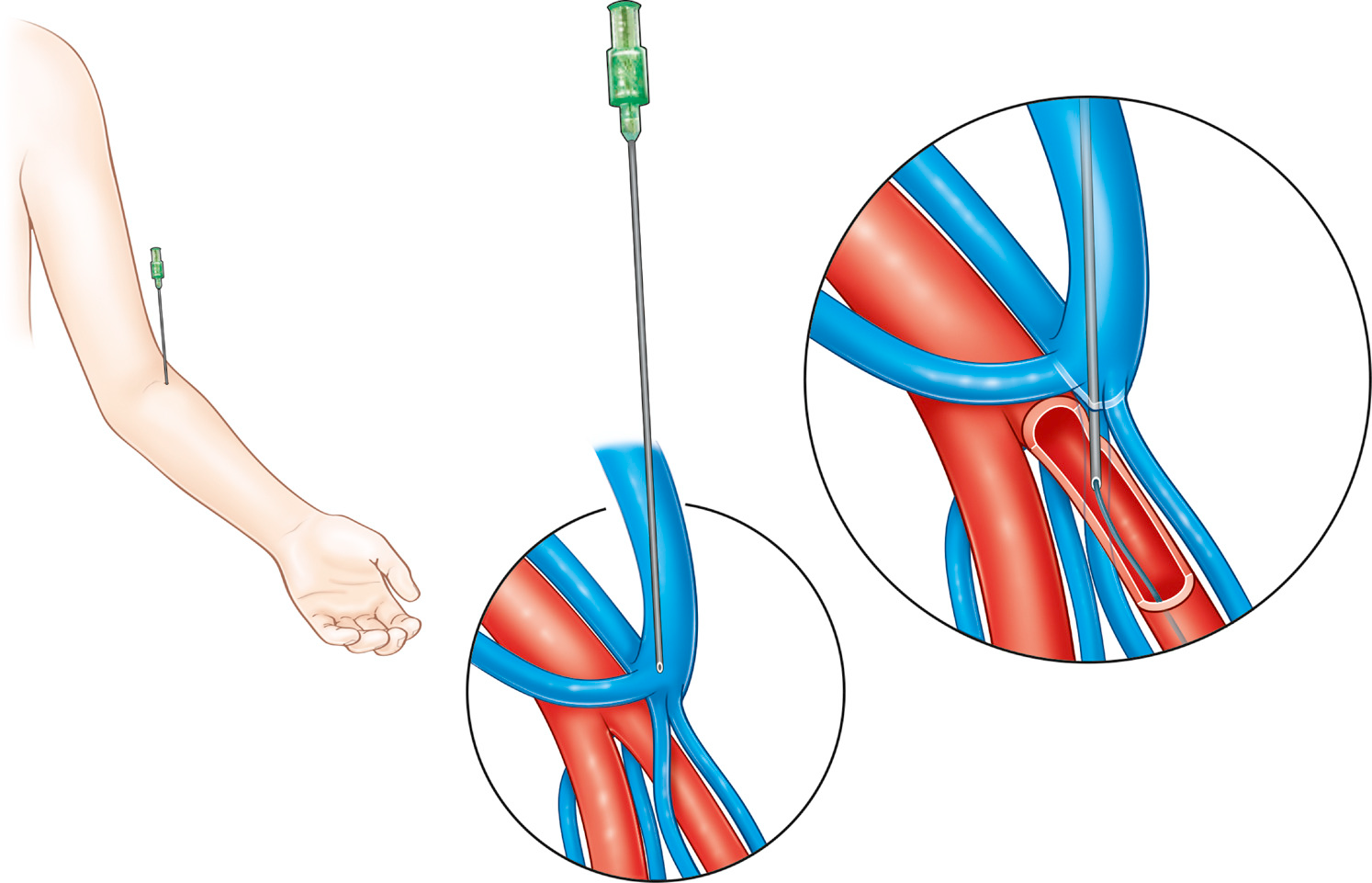
Creation of arteriovenous fistula
The creation of an arteriovenous (AV) fistula is a surgical procedure primarily used for patients with kidney failure who require hemodialysis. An AV fistula is a connection made between an artery and a vein, typically in the arm, to provide a durable and efficient access point for dialysis.
Read More
Hemicolectomy
Hemicolectomy Surgery
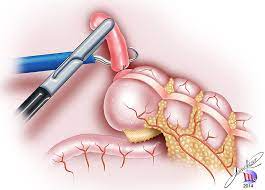
A hemicolectomy is a surgical procedure in which a part of the colon (large intestine) is removed. The surgery can be classified into two main types based on which side of the colon is affected:
Read More
LAR/APR
LAR/APR
LAR (Low Anterior Resection) and APR (Abdominoperineal Resection) are two types of surgeries often performed for treating colorectal cancers, particularly when the tumor is located in the rectum. Both surgeries involve removing part of the colon and rectum, but they differ in terms of the approach and extent of the resection.
Read More
Laparoscopic Splenectomy
A splenectomy is the surgical removal of the spleen, an organ located on the left side of the abdomen, near the stomach. The spleen plays a role in filtering blood, recycling iron, and helping the body fight infections,
Read More
Modified Radical Mastectomy Surgery
Modified Radical Mastectomy
A Modified Radical Mastectomy is a surgical procedure used to treat breast cancer. It involves the removal of the entire breast (including the breast tissue, skin, and nipple) along with some of the lymph nodes in the underarm (axillary) area.
Read More
Open Nephrectomy
Open Nephrectomy
A nephrectomy is a surgical procedure in which one or both kidneys are removed. This procedure is typically performed to treat kidney diseases or conditions, such as cancer, trauma, or certain chronic disorders. The type of nephrectomy depends on the extent of the disease or damage to the kidney.
Read MoreLaparoscopic Splenectomy
Laparoscopic Splenectomy
A splenectomy is the surgical removal of the spleen, an organ located on the left side of the abdomen, near the stomach. The spleen plays a role in filtering blood, recycling iron, and helping the body fight infections,
Read More
Dr. Hari Sharma
Consultant General & Laparoscopic Surgeon
MBBS,MS(B.P.K.I.H.S. Dharan)
Welcome to the official website of Dr. Hari Sharma who has an experience of working at Mahakali Provincial Hospital, Nepal Police Hospital, Lumbini Provincial Hospital and BP Koirala Institute of Health Sciences Dharan. He is a renowned single port Laparoscopic Surgeon dedicated to providing advanced surgical services. With a decade of experience in medical field, Dr. Sharma offers a wide range general and laparoscopic procedures that are unique for this province.